
10 Tips to Modernize Your Outdated Home Design

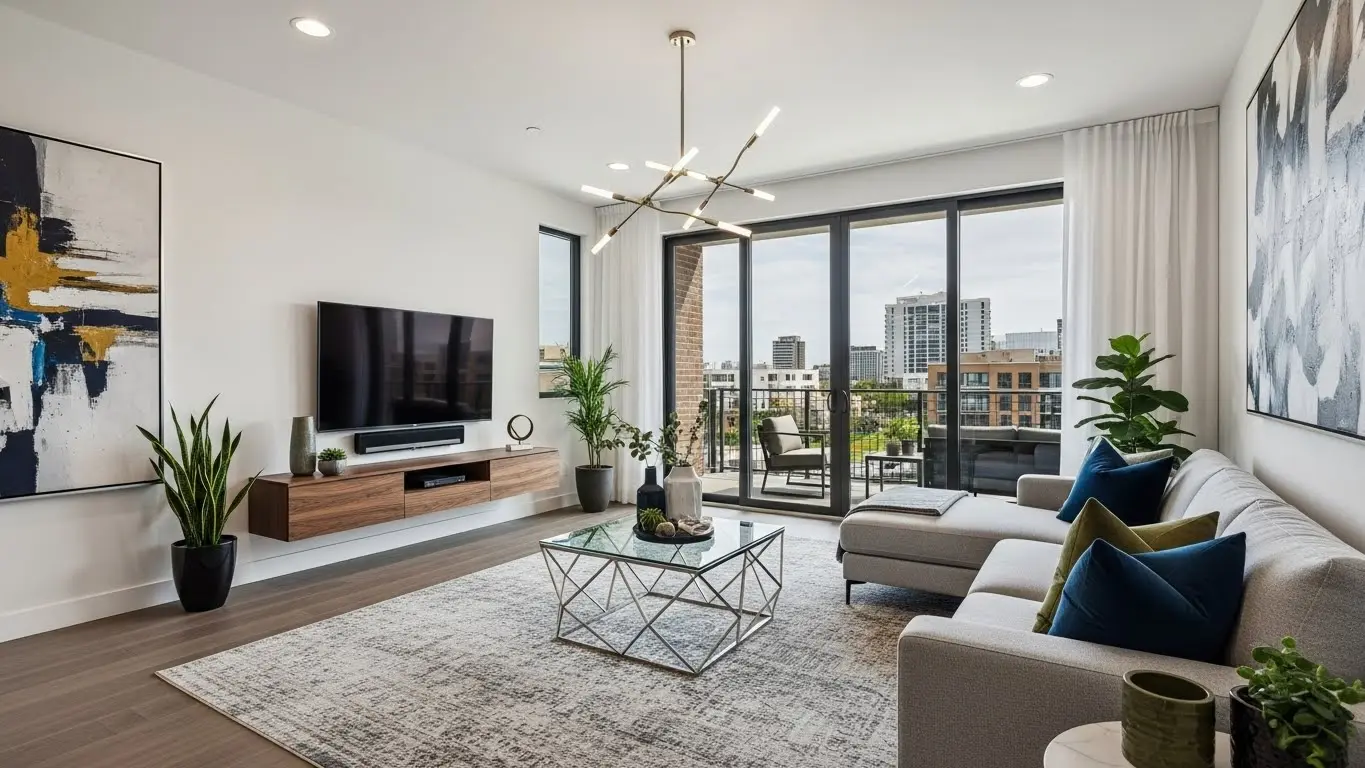
Is your home stuck in a time warp, Do avocado green appliances or floral wallpaper still grace your living spaces, If your home design is more relic than sleek, it might be time for a refresh. Modernizing an outdated home doesn’t necessarily require a complete overhaul or a bottomless budget. With thoughtful planning and strategic updates, you can transform your living space into a contemporary haven.
10 Tips to Modernize Your Outdated Home Design” provides actionable advice for updating homes through strategies like using neutral colors, minimalist furniture, and modern lighting. The guide also suggests incorporating smart technology, updating textiles, and decluttering to create a contemporary look. You can read the full article for more details.
Embrace a Neutral Color Palette
One of the quickest ways to instantly modernize a space is to update its color scheme. Outdated homes often feature strong, sometimes clashing, wall colors. Modern design trends leans heavily on neutral tones like whites, grays, and beiges. These colors create a serene backdrop, making rooms feel larger, brighter, and more sophisticated.
Research from the University of Texas at Austin suggests that neutral colors can have a calming effect and contribute to a sense of well-being. Once you have your neutral foundation, you can introduce pops of vibrant color through accessories, artwork, or a single statement piece of furniture. This approach keeps the overall design clean and allows for easy changes when trends shift.
Update Lighting Fixtures
Lighting plays a pivotal role in setting the mood and defining the aesthetic of a room. Outdated fixtures, such as brass chandeliers from the 80s or frosted glass domes, can instantly age a space. Modern lighting emphasizes clean lines, interesting forms, and functional illumination. Consider sleek pendant lights over a kitchen island, contemporary sconces in hallways, or recessed lighting to provide general ambient light.
LED technology has revolutionized home lighting, offering energy efficiency and a wide range of color temperatures to create different atmospheres. A study published in the Journal of Environmental Psychology highlights how well-designed lighting can significantly enhance perceived spaciousness and comfort in a home.
Declutter and Optimize Storage
Modern design champions minimalism and functionality. An outdated home often suffers from excessive clutter, which can make even a well-designed space feel chaotic and small. Begin by decluttering mercilessly – if you haven’t used it in a year, consider donating or discarding it.
Once clutter is minimized, focus on optimizing storage. Integrated storage solutions, such as built-in shelving, clever cabinetry, and multi-functional furniture, are hallmarks of modern design. These solutions hide everyday items, maintaining a clean and streamlined appearance. Research from Princeton University indicates that clutter can negatively impact cognitive function and increase stress levels, making a decluttered home not just aesthetically pleasing but also beneficial for your well-being.
Upgrade Your Kitchen and Bathroom Hardware
Kitchens and bathrooms are often the first rooms to show their age. While a full renovation can be costly, simply upgrading hardware can make a significant difference. Swapping out old, tarnished cabinet pulls, drawer handles, and faucet fixtures for modern, brushed nickel, matte black, or polished chrome options can instantly elevate these spaces.
Consider the style of your new hardware – sleek, simple designs often work best for a modern aesthetic. This small change can tie together the existing elements and create a more cohesive, updated look.
Replace Outdated Window Treatments
Heavy, ornate drapes, vertical blinds, or fussy valances can quickly date a room. Modern window treatments are typically clean, simple, and functional. Think sleek roller shades, minimalist Roman blinds, or sheer curtains that allow natural light to filter in while offering privacy.
For a truly modern feel, consider going without window coverings where privacy isn’t an issue, maximizing natural light and offering unobstructed views. Maximizing natural light is a key tenet of modern design, proven to improve mood and reduce energy consumption.
Introduce Contemporary Furniture Pieces
You don’t need to replace every piece of furniture, but strategically introducing a few contemporary pieces can transform a room. Look for furniture with clean lines, simple forms, and often, exposed legs for an airy feel. A new modern sofa, an updated coffee table, or a sleek dining set can instantly anchor a room in the present.
Mix and match styles carefully; a vintage piece can still work if balanced with modern elements, creating an eclectic yet cohesive look. Focus on quality over quantity.
Refresh Flooring
Outdated flooring, such as worn carpets, linoleum, or discolored tile, can significantly detract from a home overall appeal. Modern flooring options include wide-plank hardwood, sleek polished concrete, large-format porcelain tiles, or luxury vinyl plank (LVP) that mimics natural wood or stone.
These materials offer durability, ease of maintenance, and a sophisticated aesthetic. Light-colored flooring can further enhance the feeling of spaciousness and brightness.
Add Modern Art and Decor
Art and decorative elements are crucial for personalizing a space and reinforcing a modern aesthetic. Replace dated landscapes or ornate prints with contemporary artwork. Think abstract pieces, minimalist photography, or graphic designs.
When it comes to decor, choose items with interesting textures, geometric shapes, or metallic accents. Remember the principle of “less is more” – a few well-chosen pieces will have a greater impact than a multitude of small, cluttered items.
Incorporate Smart Home Technology
Modern homes are not just about aesthetics; they’re also about functionality and convenience. Integrating smart home technology can instantly update your living experience. Consider smart thermostats, lighting systems, security cameras, or even smart appliances.
These technologies not only add a contemporary edge but can also improve energy efficiency and enhance daily comfort. A report by Statista shows a growing trend in smart home adoption, indicating its increasing relevance in modern living.
Update Interior Doors and Hardware
Often overlooked, interior doors and their hardware can significantly impact a home decor. Old, paneled doors with brass knobs can instantly scream “dated.” Consider replacing them with sleek, flush doors or those with simple, vertical lines. Update door handles to modern finishes like matte black or brushed chrome. This seemingly small change can create a seamless, cohesive modern flow throughout your home.
FAQs
Q1: How much does it cost to modernize a home?
The cost varies significantly depending on the scope of your projects. Small updates like new paint and hardware can be very affordable (a few hundred to a few thousand dollars). Larger projects like flooring replacement or furniture upgrades can range from several thousand to tens of thousands of dollars. Focus on strategic changes that offer the most impact for your budget.
Q2: Can I modernize my home on a tight budget?
Prioritize paint, decluttering, new lighting fixtures, and updated hardware. These are often the most budget-friendly changes that yield significant results. DIY projects for painting and hardware installation can also save on labor costs.
Q3: What’s the fastest way to make a home look more modern?
The fastest way is often a combination of fresh paint in a neutral color, decluttering, and updating lighting fixtures. These changes can be completed relatively quickly and offer an immediate visual impact.
Q4: Should I get rid of all my old furniture?
Some vintage or antique pieces can be beautifully integrated into a modern design, providing character and a sense of history. The key is balance. If you have several outdated pieces, consider keeping one or two that you love and updating the rest with modern alternatives.
Q5: What are some common mistakes to avoid when modernizing?
Avoid trying to incorporate too many trends at once, which can lead to a chaotic look. Don’t forget the importance of proper lighting, and be careful not to over-accessorize. Also, ensure your updates are cohesive and flow throughout the house, rather than having isolated modern rooms that clash with the rest of your home.